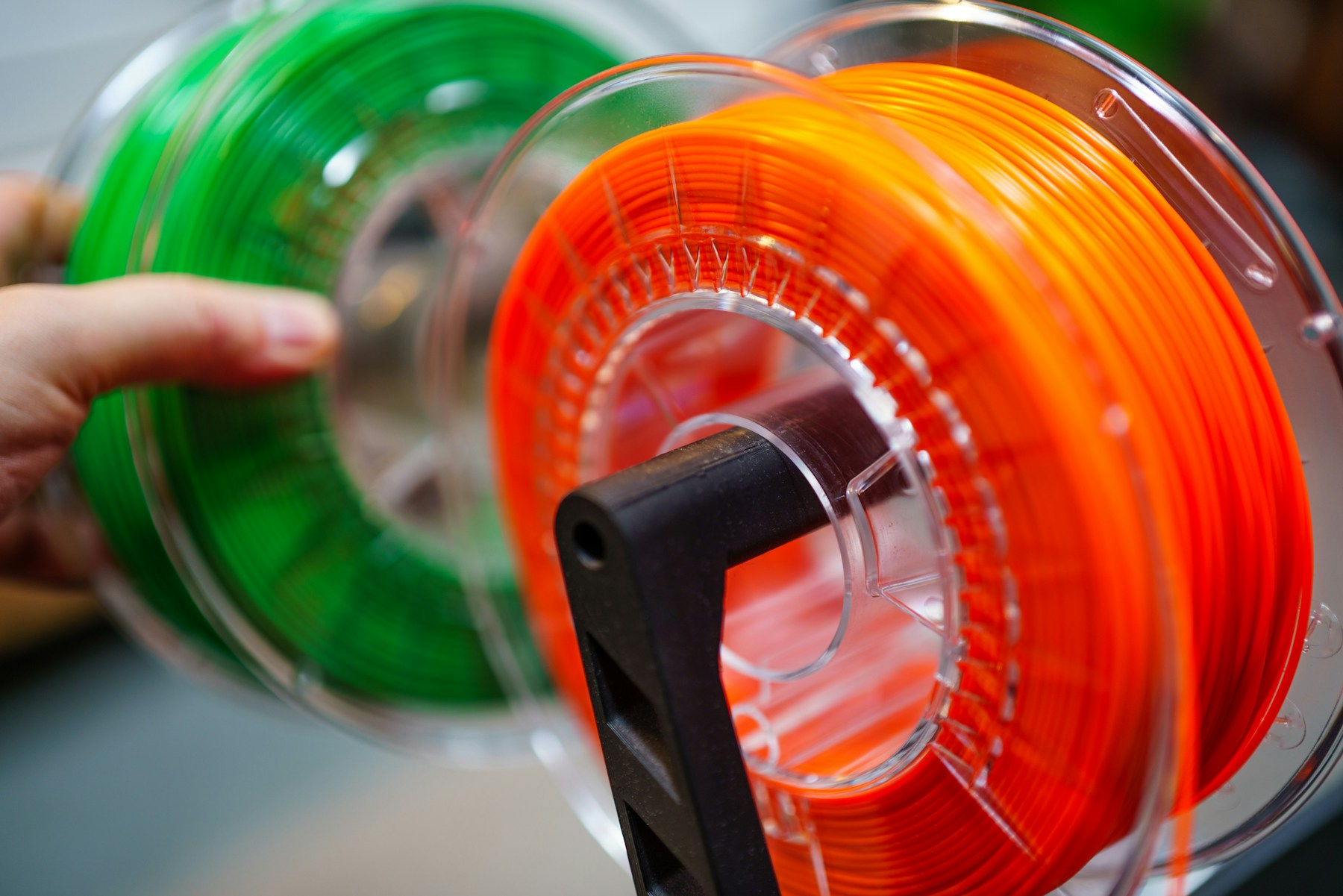
How to choose with a real use case in mind
Filament selection is a design decision, a production decision, and a customer-communication decision at the same time. The right choice is the material that meets the use case without adding complexity the part does not need. The following guide is intentionally practical: it explains the tradeoffs a custom 3D printing customer should understand before approving a quote.
Choosing A Material By Function

When planning choosing a material by function, the useful question is not simply whether a printer can produce the part. It is whether the chosen process, material, geometry, and finish match the job the part must perform. Start with load, temperature, moisture, impact, and appearance rather than choosing a color first. For a custom 3D print, this is also the information that turns a vague request into a clear quote: the filament family, estimated weight, print time, and any finishing work that is actually requested.
When planning choosing a material by function, the useful question is not simply whether a printer can produce the part. It is whether the chosen process, material, geometry, and finish match the job the part must perform. The same decision should be checked against the model itself: thin features, long bridges, enclosed cavities, mating surfaces, and the direction of the layers can change the recommendation. Start with load, temperature, moisture, impact, and appearance rather than choosing a color first. For a custom 3D print, this is also the information that turns a vague request into a clear quote: the geometry constraints, likely support strategy, and what the customer wants to prioritize when compromises are necessary.
When planning choosing a material by function, the useful question is not simply whether a printer can produce the part. It is whether the chosen process, material, geometry, and finish match the job the part must perform. A transparent service does not pretend that material choice is magic. Start with load, temperature, moisture, impact, and appearance rather than choosing a color first. The recommendation should be understandable to someone who is not a 3D-printing specialist. For a custom 3D print, this is also the information that turns a vague request into a clear quote: a short reason for the recommendation and any limitation that could affect the finished part.
Pla For Everyday Prototypes
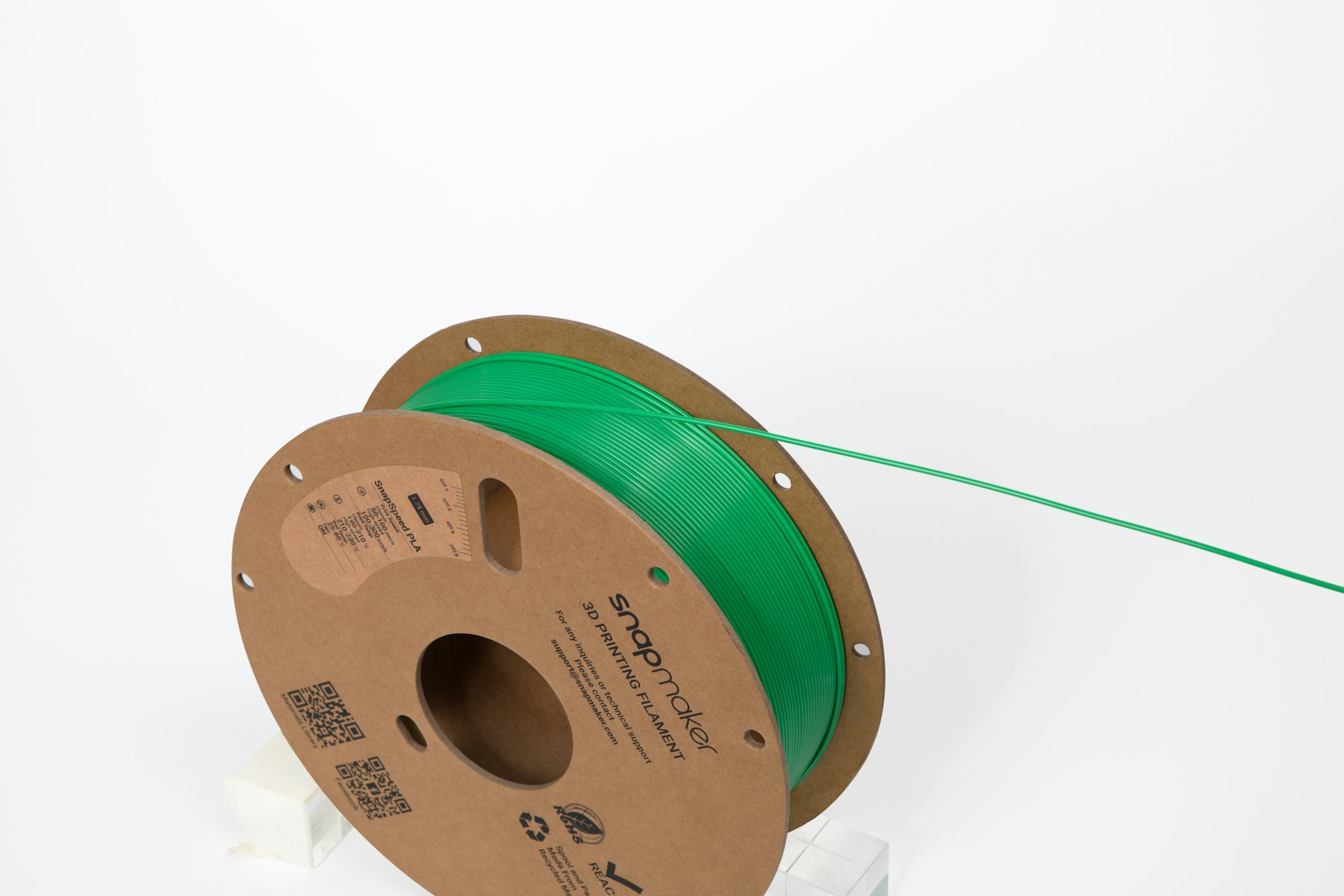
When planning pla for everyday prototypes, the useful question is not simply whether a printer can produce the part. It is whether the chosen process, material, geometry, and finish match the job the part must perform. PLA is often the most predictable starting point for decorative parts, prototypes, organizers, models, and low-temperature indoor uses. For a custom 3D print, this is also the information that turns a vague request into a clear quote: a clean material choice with a broad supplier range and a straightforward production workflow.
When planning pla for everyday prototypes, the useful question is not simply whether a printer can produce the part. It is whether the chosen process, material, geometry, and finish match the job the part must perform. The same decision should be checked against the model itself: thin features, long bridges, enclosed cavities, mating surfaces, and the direction of the layers can change the recommendation. PLA is often the most predictable starting point for decorative parts, prototypes, organizers, models, and low-temperature indoor uses. For a custom 3D print, this is also the information that turns a vague request into a clear quote: the geometry constraints, likely support strategy, and what the customer wants to prioritize when compromises are necessary.
When planning pla for everyday prototypes, the useful question is not simply whether a printer can produce the part. It is whether the chosen process, material, geometry, and finish match the job the part must perform. A transparent service does not pretend that material choice is magic. PLA is often the most predictable starting point for decorative parts, prototypes, organizers, models, and low-temperature indoor uses. The recommendation should be understandable to someone who is not a 3D-printing specialist. For a custom 3D print, this is also the information that turns a vague request into a clear quote: a short reason for the recommendation and any limitation that could affect the finished part.
Petg For Tougher Utility Parts
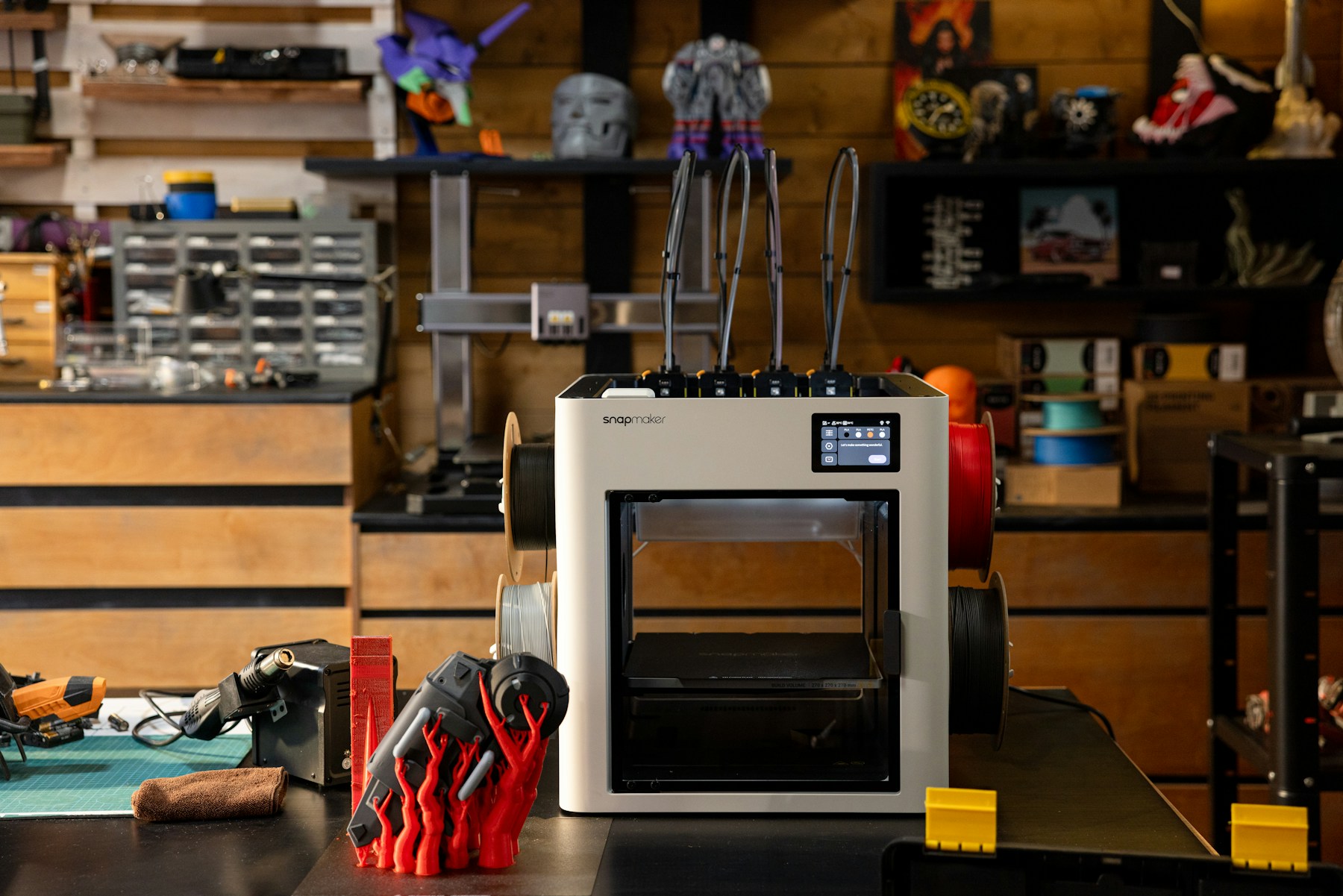
When planning petg for tougher utility parts, the useful question is not simply whether a printer can produce the part. It is whether the chosen process, material, geometry, and finish match the job the part must perform. PETG can be a better fit when a part needs more toughness or moderate heat resistance, although it may require more careful stringing control. For a custom 3D print, this is also the information that turns a vague request into a clear quote: the expected environment and whether the customer values impact resistance over a perfectly crisp surface.
When planning petg for tougher utility parts, the useful question is not simply whether a printer can produce the part. It is whether the chosen process, material, geometry, and finish match the job the part must perform. The same decision should be checked against the model itself: thin features, long bridges, enclosed cavities, mating surfaces, and the direction of the layers can change the recommendation. PETG can be a better fit when a part needs more toughness or moderate heat resistance, although it may require more careful stringing control. For a custom 3D print, this is also the information that turns a vague request into a clear quote: the geometry constraints, likely support strategy, and what the customer wants to prioritize when compromises are necessary.
When planning petg for tougher utility parts, the useful question is not simply whether a printer can produce the part. It is whether the chosen process, material, geometry, and finish match the job the part must perform. A transparent service does not pretend that material choice is magic. PETG can be a better fit when a part needs more toughness or moderate heat resistance, although it may require more careful stringing control. The recommendation should be understandable to someone who is not a 3D-printing specialist. For a custom 3D print, this is also the information that turns a vague request into a clear quote: a short reason for the recommendation and any limitation that could affect the finished part.
Abs And Asa Considerations
When planning abs and asa considerations, the useful question is not simply whether a printer can produce the part. It is whether the chosen process, material, geometry, and finish match the job the part must perform. ABS and ASA can make sense for heat, durability, and outdoor exposure, but enclosure, ventilation, and warping control matter. For a custom 3D print, this is also the information that turns a vague request into a clear quote: whether the printer and requested geometry can support those materials without turning a simple job into an avoidable failure risk.
When planning abs and asa considerations, the useful question is not simply whether a printer can produce the part. It is whether the chosen process, material, geometry, and finish match the job the part must perform. The same decision should be checked against the model itself: thin features, long bridges, enclosed cavities, mating surfaces, and the direction of the layers can change the recommendation. ABS and ASA can make sense for heat, durability, and outdoor exposure, but enclosure, ventilation, and warping control matter. For a custom 3D print, this is also the information that turns a vague request into a clear quote: the geometry constraints, likely support strategy, and what the customer wants to prioritize when compromises are necessary.
When planning abs and asa considerations, the useful question is not simply whether a printer can produce the part. It is whether the chosen process, material, geometry, and finish match the job the part must perform. A transparent service does not pretend that material choice is magic. ABS and ASA can make sense for heat, durability, and outdoor exposure, but enclosure, ventilation, and warping control matter. The recommendation should be understandable to someone who is not a 3D-printing specialist. For a custom 3D print, this is also the information that turns a vague request into a clear quote: a short reason for the recommendation and any limitation that could affect the finished part.
Tpu And Flexible Filament
When planning tpu and flexible filament, the useful question is not simply whether a printer can produce the part. It is whether the chosen process, material, geometry, and finish match the job the part must perform. Flexible filament is useful for grips, gaskets, bumpers, feet, and compliant parts, but hardness and print speed change the result dramatically. For a custom 3D print, this is also the information that turns a vague request into a clear quote: the target flexibility, wall thickness, infill, and the way the part will be loaded.
When planning tpu and flexible filament, the useful question is not simply whether a printer can produce the part. It is whether the chosen process, material, geometry, and finish match the job the part must perform. The same decision should be checked against the model itself: thin features, long bridges, enclosed cavities, mating surfaces, and the direction of the layers can change the recommendation. Flexible filament is useful for grips, gaskets, bumpers, feet, and compliant parts, but hardness and print speed change the result dramatically. For a custom 3D print, this is also the information that turns a vague request into a clear quote: the geometry constraints, likely support strategy, and what the customer wants to prioritize when compromises are necessary.
When planning tpu and flexible filament, the useful question is not simply whether a printer can produce the part. It is whether the chosen process, material, geometry, and finish match the job the part must perform. A transparent service does not pretend that material choice is magic. Flexible filament is useful for grips, gaskets, bumpers, feet, and compliant parts, but hardness and print speed change the result dramatically. The recommendation should be understandable to someone who is not a 3D-printing specialist. For a custom 3D print, this is also the information that turns a vague request into a clear quote: a short reason for the recommendation and any limitation that could affect the finished part.
Carbon-Fiber And Filled Filaments
When planning carbon-fiber and filled filaments, the useful question is not simply whether a printer can produce the part. It is whether the chosen process, material, geometry, and finish match the job the part must perform. Filled materials can improve stiffness or appearance, but they are abrasive and often need a hardened nozzle and conservative settings. For a custom 3D print, this is also the information that turns a vague request into a clear quote: whether the performance benefit justifies the extra equipment, slower workflow, and maintenance.
When planning carbon-fiber and filled filaments, the useful question is not simply whether a printer can produce the part. It is whether the chosen process, material, geometry, and finish match the job the part must perform. The same decision should be checked against the model itself: thin features, long bridges, enclosed cavities, mating surfaces, and the direction of the layers can change the recommendation. Filled materials can improve stiffness or appearance, but they are abrasive and often need a hardened nozzle and conservative settings. For a custom 3D print, this is also the information that turns a vague request into a clear quote: the geometry constraints, likely support strategy, and what the customer wants to prioritize when compromises are necessary.
When planning carbon-fiber and filled filaments, the useful question is not simply whether a printer can produce the part. It is whether the chosen process, material, geometry, and finish match the job the part must perform. A transparent service does not pretend that material choice is magic. Filled materials can improve stiffness or appearance, but they are abrasive and often need a hardened nozzle and conservative settings. The recommendation should be understandable to someone who is not a 3D-printing specialist. For a custom 3D print, this is also the information that turns a vague request into a clear quote: a short reason for the recommendation and any limitation that could affect the finished part.
Heat Resistance
When planning heat resistance, the useful question is not simply whether a printer can produce the part. It is whether the chosen process, material, geometry, and finish match the job the part must perform. Heat resistance is not one number. A part in a warm car, near a motor, or in hot water may need a very different material from a room-temperature part. For a custom 3D print, this is also the information that turns a vague request into a clear quote: the highest real operating temperature, how long it will be exposed, and whether it carries load while hot.
When planning heat resistance, the useful question is not simply whether a printer can produce the part. It is whether the chosen process, material, geometry, and finish match the job the part must perform. The same decision should be checked against the model itself: thin features, long bridges, enclosed cavities, mating surfaces, and the direction of the layers can change the recommendation. Heat resistance is not one number. A part in a warm car, near a motor, or in hot water may need a very different material from a room-temperature part. For a custom 3D print, this is also the information that turns a vague request into a clear quote: the geometry constraints, likely support strategy, and what the customer wants to prioritize when compromises are necessary.
When planning heat resistance, the useful question is not simply whether a printer can produce the part. It is whether the chosen process, material, geometry, and finish match the job the part must perform. A transparent service does not pretend that material choice is magic. Heat resistance is not one number. A part in a warm car, near a motor, or in hot water may need a very different material from a room-temperature part. The recommendation should be understandable to someone who is not a 3D-printing specialist. For a custom 3D print, this is also the information that turns a vague request into a clear quote: a short reason for the recommendation and any limitation that could affect the finished part.
Chemical And Moisture Exposure
When planning chemical and moisture exposure, the useful question is not simply whether a printer can produce the part. It is whether the chosen process, material, geometry, and finish match the job the part must perform. Water, solvents, oils, sunlight, and cleaning chemicals can change the best material choice even when the part looks simple. For a custom 3D print, this is also the information that turns a vague request into a clear quote: the substance, contact duration, temperature, and whether the part is a functional component or only a visual model.
When planning chemical and moisture exposure, the useful question is not simply whether a printer can produce the part. It is whether the chosen process, material, geometry, and finish match the job the part must perform. The same decision should be checked against the model itself: thin features, long bridges, enclosed cavities, mating surfaces, and the direction of the layers can change the recommendation. Water, solvents, oils, sunlight, and cleaning chemicals can change the best material choice even when the part looks simple. For a custom 3D print, this is also the information that turns a vague request into a clear quote: the geometry constraints, likely support strategy, and what the customer wants to prioritize when compromises are necessary.
When planning chemical and moisture exposure, the useful question is not simply whether a printer can produce the part. It is whether the chosen process, material, geometry, and finish match the job the part must perform. A transparent service does not pretend that material choice is magic. Water, solvents, oils, sunlight, and cleaning chemicals can change the best material choice even when the part looks simple. The recommendation should be understandable to someone who is not a 3D-printing specialist. For a custom 3D print, this is also the information that turns a vague request into a clear quote: a short reason for the recommendation and any limitation that could affect the finished part.
Surface Finish And Layer Visibility
When planning surface finish and layer visibility, the useful question is not simply whether a printer can produce the part. It is whether the chosen process, material, geometry, and finish match the job the part must perform. Layer height, nozzle size, orientation, and post-processing often matter as much as resin or filament family for appearance. For a custom 3D print, this is also the information that turns a vague request into a clear quote: which surfaces are visible, what level of texture is acceptable, and whether sanding or painting is part of the request.
When planning surface finish and layer visibility, the useful question is not simply whether a printer can produce the part. It is whether the chosen process, material, geometry, and finish match the job the part must perform. The same decision should be checked against the model itself: thin features, long bridges, enclosed cavities, mating surfaces, and the direction of the layers can change the recommendation. Layer height, nozzle size, orientation, and post-processing often matter as much as resin or filament family for appearance. For a custom 3D print, this is also the information that turns a vague request into a clear quote: the geometry constraints, likely support strategy, and what the customer wants to prioritize when compromises are necessary.
When planning surface finish and layer visibility, the useful question is not simply whether a printer can produce the part. It is whether the chosen process, material, geometry, and finish match the job the part must perform. A transparent service does not pretend that material choice is magic. Layer height, nozzle size, orientation, and post-processing often matter as much as resin or filament family for appearance. The recommendation should be understandable to someone who is not a 3D-printing specialist. For a custom 3D print, this is also the information that turns a vague request into a clear quote: a short reason for the recommendation and any limitation that could affect the finished part.
Color Matching
When planning color matching, the useful question is not simply whether a printer can produce the part. It is whether the chosen process, material, geometry, and finish match the job the part must perform. A color name is not a precise standard across brands. Small differences in sheen, translucency, and pigment can change the result. For a custom 3D print, this is also the information that turns a vague request into a clear quote: a reference photo, an accepted color range, and whether an exact brand match is genuinely required.
When planning color matching, the useful question is not simply whether a printer can produce the part. It is whether the chosen process, material, geometry, and finish match the job the part must perform. The same decision should be checked against the model itself: thin features, long bridges, enclosed cavities, mating surfaces, and the direction of the layers can change the recommendation. A color name is not a precise standard across brands. Small differences in sheen, translucency, and pigment can change the result. For a custom 3D print, this is also the information that turns a vague request into a clear quote: the geometry constraints, likely support strategy, and what the customer wants to prioritize when compromises are necessary.
When planning color matching, the useful question is not simply whether a printer can produce the part. It is whether the chosen process, material, geometry, and finish match the job the part must perform. A transparent service does not pretend that material choice is magic. A color name is not a precise standard across brands. Small differences in sheen, translucency, and pigment can change the result. The recommendation should be understandable to someone who is not a 3D-printing specialist. For a custom 3D print, this is also the information that turns a vague request into a clear quote: a short reason for the recommendation and any limitation that could affect the finished part.
Strength Versus Weight
When planning strength versus weight, the useful question is not simply whether a printer can produce the part. It is whether the chosen process, material, geometry, and finish match the job the part must perform. Infill is not a substitute for good wall design. Perimeters, orientation, and local thickness usually control functional strength more directly. For a custom 3D print, this is also the information that turns a vague request into a clear quote: the direction of force, mounting points, expected failure mode, and whether low weight matters.
When planning strength versus weight, the useful question is not simply whether a printer can produce the part. It is whether the chosen process, material, geometry, and finish match the job the part must perform. The same decision should be checked against the model itself: thin features, long bridges, enclosed cavities, mating surfaces, and the direction of the layers can change the recommendation. Infill is not a substitute for good wall design. Perimeters, orientation, and local thickness usually control functional strength more directly. For a custom 3D print, this is also the information that turns a vague request into a clear quote: the geometry constraints, likely support strategy, and what the customer wants to prioritize when compromises are necessary.
When planning strength versus weight, the useful question is not simply whether a printer can produce the part. It is whether the chosen process, material, geometry, and finish match the job the part must perform. A transparent service does not pretend that material choice is magic. Infill is not a substitute for good wall design. Perimeters, orientation, and local thickness usually control functional strength more directly. The recommendation should be understandable to someone who is not a 3D-printing specialist. For a custom 3D print, this is also the information that turns a vague request into a clear quote: a short reason for the recommendation and any limitation that could affect the finished part.
Print Orientation
When planning print orientation, the useful question is not simply whether a printer can produce the part. It is whether the chosen process, material, geometry, and finish match the job the part must perform. Orientation affects layer direction, support use, surface quality, and the amount of material consumed. For a custom 3D print, this is also the information that turns a vague request into a clear quote: the critical faces, the direction of bending or pulling, and which surfaces may show support marks.
When planning print orientation, the useful question is not simply whether a printer can produce the part. It is whether the chosen process, material, geometry, and finish match the job the part must perform. The same decision should be checked against the model itself: thin features, long bridges, enclosed cavities, mating surfaces, and the direction of the layers can change the recommendation. Orientation affects layer direction, support use, surface quality, and the amount of material consumed. For a custom 3D print, this is also the information that turns a vague request into a clear quote: the geometry constraints, likely support strategy, and what the customer wants to prioritize when compromises are necessary.
When planning print orientation, the useful question is not simply whether a printer can produce the part. It is whether the chosen process, material, geometry, and finish match the job the part must perform. A transparent service does not pretend that material choice is magic. Orientation affects layer direction, support use, surface quality, and the amount of material consumed. The recommendation should be understandable to someone who is not a 3D-printing specialist. For a custom 3D print, this is also the information that turns a vague request into a clear quote: a short reason for the recommendation and any limitation that could affect the finished part.
Supports And Overhangs
When planning supports and overhangs, the useful question is not simply whether a printer can produce the part. It is whether the chosen process, material, geometry, and finish match the job the part must perform. A material that prints beautifully on vertical walls can still produce poor support interfaces or difficult removal on complex geometry. For a custom 3D print, this is also the information that turns a vague request into a clear quote: the overhangs, bridges, cavities, and whether support scars are acceptable on hidden or visible faces.
When planning supports and overhangs, the useful question is not simply whether a printer can produce the part. It is whether the chosen process, material, geometry, and finish match the job the part must perform. The same decision should be checked against the model itself: thin features, long bridges, enclosed cavities, mating surfaces, and the direction of the layers can change the recommendation. A material that prints beautifully on vertical walls can still produce poor support interfaces or difficult removal on complex geometry. For a custom 3D print, this is also the information that turns a vague request into a clear quote: the geometry constraints, likely support strategy, and what the customer wants to prioritize when compromises are necessary.
When planning supports and overhangs, the useful question is not simply whether a printer can produce the part. It is whether the chosen process, material, geometry, and finish match the job the part must perform. A transparent service does not pretend that material choice is magic. A material that prints beautifully on vertical walls can still produce poor support interfaces or difficult removal on complex geometry. The recommendation should be understandable to someone who is not a 3D-printing specialist. For a custom 3D print, this is also the information that turns a vague request into a clear quote: a short reason for the recommendation and any limitation that could affect the finished part.
Wall Thickness
When planning wall thickness, the useful question is not simply whether a printer can produce the part. It is whether the chosen process, material, geometry, and finish match the job the part must perform. Thin walls can save weight but may become fragile, translucent, or difficult to print consistently. For a custom 3D print, this is also the information that turns a vague request into a clear quote: the minimum feature size, nozzle diameter, expected handling, and whether the model has been designed for FDM.
When planning wall thickness, the useful question is not simply whether a printer can produce the part. It is whether the chosen process, material, geometry, and finish match the job the part must perform. The same decision should be checked against the model itself: thin features, long bridges, enclosed cavities, mating surfaces, and the direction of the layers can change the recommendation. Thin walls can save weight but may become fragile, translucent, or difficult to print consistently. For a custom 3D print, this is also the information that turns a vague request into a clear quote: the geometry constraints, likely support strategy, and what the customer wants to prioritize when compromises are necessary.
When planning wall thickness, the useful question is not simply whether a printer can produce the part. It is whether the chosen process, material, geometry, and finish match the job the part must perform. A transparent service does not pretend that material choice is magic. Thin walls can save weight but may become fragile, translucent, or difficult to print consistently. The recommendation should be understandable to someone who is not a 3D-printing specialist. For a custom 3D print, this is also the information that turns a vague request into a clear quote: a short reason for the recommendation and any limitation that could affect the finished part.
Dimensional Accuracy
When planning dimensional accuracy, the useful question is not simply whether a printer can produce the part. It is whether the chosen process, material, geometry, and finish match the job the part must perform. A printed dimension is influenced by shrinkage, cooling, extrusion calibration, orientation, and the fit tolerance between parts. For a custom 3D print, this is also the information that turns a vague request into a clear quote: the mating part, required clearance, measurement points, and whether a test coupon should be printed first.
When planning dimensional accuracy, the useful question is not simply whether a printer can produce the part. It is whether the chosen process, material, geometry, and finish match the job the part must perform. The same decision should be checked against the model itself: thin features, long bridges, enclosed cavities, mating surfaces, and the direction of the layers can change the recommendation. A printed dimension is influenced by shrinkage, cooling, extrusion calibration, orientation, and the fit tolerance between parts. For a custom 3D print, this is also the information that turns a vague request into a clear quote: the geometry constraints, likely support strategy, and what the customer wants to prioritize when compromises are necessary.
When planning dimensional accuracy, the useful question is not simply whether a printer can produce the part. It is whether the chosen process, material, geometry, and finish match the job the part must perform. A transparent service does not pretend that material choice is magic. A printed dimension is influenced by shrinkage, cooling, extrusion calibration, orientation, and the fit tolerance between parts. The recommendation should be understandable to someone who is not a 3D-printing specialist. For a custom 3D print, this is also the information that turns a vague request into a clear quote: a short reason for the recommendation and any limitation that could affect the finished part.
Food Contact And Safety Claims
When planning food contact and safety claims, the useful question is not simply whether a printer can produce the part. It is whether the chosen process, material, geometry, and finish match the job the part must perform. A printed part should not be called food-safe merely because the filament label mentions a familiar polymer. For a custom 3D print, this is also the information that turns a vague request into a clear quote: the material documentation, surface condition, cleaning method, and the limits of any safety claim.
When planning food contact and safety claims, the useful question is not simply whether a printer can produce the part. It is whether the chosen process, material, geometry, and finish match the job the part must perform. The same decision should be checked against the model itself: thin features, long bridges, enclosed cavities, mating surfaces, and the direction of the layers can change the recommendation. A printed part should not be called food-safe merely because the filament label mentions a familiar polymer. For a custom 3D print, this is also the information that turns a vague request into a clear quote: the geometry constraints, likely support strategy, and what the customer wants to prioritize when compromises are necessary.
When planning food contact and safety claims, the useful question is not simply whether a printer can produce the part. It is whether the chosen process, material, geometry, and finish match the job the part must perform. A transparent service does not pretend that material choice is magic. A printed part should not be called food-safe merely because the filament label mentions a familiar polymer. The recommendation should be understandable to someone who is not a 3D-printing specialist. For a custom 3D print, this is also the information that turns a vague request into a clear quote: a short reason for the recommendation and any limitation that could affect the finished part.
Outdoor Use
When planning outdoor use, the useful question is not simply whether a printer can produce the part. It is whether the chosen process, material, geometry, and finish match the job the part must perform. Outdoor parts face ultraviolet light, temperature swings, moisture, wind, and repeated expansion and contraction. For a custom 3D print, this is also the information that turns a vague request into a clear quote: the exposure duration and whether ASA, PETG, coating, fastener choice, or a replacement schedule is appropriate.
When planning outdoor use, the useful question is not simply whether a printer can produce the part. It is whether the chosen process, material, geometry, and finish match the job the part must perform. The same decision should be checked against the model itself: thin features, long bridges, enclosed cavities, mating surfaces, and the direction of the layers can change the recommendation. Outdoor parts face ultraviolet light, temperature swings, moisture, wind, and repeated expansion and contraction. For a custom 3D print, this is also the information that turns a vague request into a clear quote: the geometry constraints, likely support strategy, and what the customer wants to prioritize when compromises are necessary.
When planning outdoor use, the useful question is not simply whether a printer can produce the part. It is whether the chosen process, material, geometry, and finish match the job the part must perform. A transparent service does not pretend that material choice is magic. Outdoor parts face ultraviolet light, temperature swings, moisture, wind, and repeated expansion and contraction. The recommendation should be understandable to someone who is not a 3D-printing specialist. For a custom 3D print, this is also the information that turns a vague request into a clear quote: a short reason for the recommendation and any limitation that could affect the finished part.
Material Cost In A Transparent Quote
When planning material cost in a transparent quote, the useful question is not simply whether a printer can produce the part. It is whether the chosen process, material, geometry, and finish match the job the part must perform. Material cost is easy to explain when it is based on the current one-kilogram roll price and the estimated grams used. For a custom 3D print, this is also the information that turns a vague request into a clear quote: the roll price, estimated weight, and the exact visible formula rather than an unexplained material surcharge.
When planning material cost in a transparent quote, the useful question is not simply whether a printer can produce the part. It is whether the chosen process, material, geometry, and finish match the job the part must perform. The same decision should be checked against the model itself: thin features, long bridges, enclosed cavities, mating surfaces, and the direction of the layers can change the recommendation. Material cost is easy to explain when it is based on the current one-kilogram roll price and the estimated grams used. For a custom 3D print, this is also the information that turns a vague request into a clear quote: the geometry constraints, likely support strategy, and what the customer wants to prioritize when compromises are necessary.
When planning material cost in a transparent quote, the useful question is not simply whether a printer can produce the part. It is whether the chosen process, material, geometry, and finish match the job the part must perform. A transparent service does not pretend that material choice is magic. Material cost is easy to explain when it is based on the current one-kilogram roll price and the estimated grams used. The recommendation should be understandable to someone who is not a 3D-printing specialist. For a custom 3D print, this is also the information that turns a vague request into a clear quote: a short reason for the recommendation and any limitation that could affect the finished part.
Choosing A Default Material
When planning choosing a default material, the useful question is not simply whether a printer can produce the part. It is whether the chosen process, material, geometry, and finish match the job the part must perform. A default material should be predictable, widely available, easy to explain, and suitable for the majority of ordinary requests. For a custom 3D print, this is also the information that turns a vague request into a clear quote: why the default is recommended and what change in temperature, load, flexibility, or exposure would justify another option.
When planning choosing a default material, the useful question is not simply whether a printer can produce the part. It is whether the chosen process, material, geometry, and finish match the job the part must perform. The same decision should be checked against the model itself: thin features, long bridges, enclosed cavities, mating surfaces, and the direction of the layers can change the recommendation. A default material should be predictable, widely available, easy to explain, and suitable for the majority of ordinary requests. For a custom 3D print, this is also the information that turns a vague request into a clear quote: the geometry constraints, likely support strategy, and what the customer wants to prioritize when compromises are necessary.
When planning choosing a default material, the useful question is not simply whether a printer can produce the part. It is whether the chosen process, material, geometry, and finish match the job the part must perform. A transparent service does not pretend that material choice is magic. A default material should be predictable, widely available, easy to explain, and suitable for the majority of ordinary requests. The recommendation should be understandable to someone who is not a 3D-printing specialist. For a custom 3D print, this is also the information that turns a vague request into a clear quote: a short reason for the recommendation and any limitation that could affect the finished part.
When To Request A Material Change
When planning when to request a material change, the useful question is not simply whether a printer can produce the part. It is whether the chosen process, material, geometry, and finish match the job the part must perform. A material change is worth discussing when the original choice cannot meet the part's environment, strength, flexibility, or finish requirements. For a custom 3D print, this is also the information that turns a vague request into a clear quote: the new requirement, the effect on print time and weight, and the revised total before production begins.
When planning when to request a material change, the useful question is not simply whether a printer can produce the part. It is whether the chosen process, material, geometry, and finish match the job the part must perform. The same decision should be checked against the model itself: thin features, long bridges, enclosed cavities, mating surfaces, and the direction of the layers can change the recommendation. A material change is worth discussing when the original choice cannot meet the part's environment, strength, flexibility, or finish requirements. For a custom 3D print, this is also the information that turns a vague request into a clear quote: the geometry constraints, likely support strategy, and what the customer wants to prioritize when compromises are necessary.
When planning when to request a material change, the useful question is not simply whether a printer can produce the part. It is whether the chosen process, material, geometry, and finish match the job the part must perform. A transparent service does not pretend that material choice is magic. A material change is worth discussing when the original choice cannot meet the part's environment, strength, flexibility, or finish requirements. The recommendation should be understandable to someone who is not a 3D-printing specialist. For a custom 3D print, this is also the information that turns a vague request into a clear quote: a short reason for the recommendation and any limitation that could affect the finished part.
Samples And Test Prints
When planning samples and test prints, the useful question is not simply whether a printer can produce the part. It is whether the chosen process, material, geometry, and finish match the job the part must perform. A small test print can answer questions about fit, texture, color, and strength before a larger run consumes more material. For a custom 3D print, this is also the information that turns a vague request into a clear quote: the specific uncertainty the test is meant to resolve and how its cost and timing will appear in the quote.
When planning samples and test prints, the useful question is not simply whether a printer can produce the part. It is whether the chosen process, material, geometry, and finish match the job the part must perform. The same decision should be checked against the model itself: thin features, long bridges, enclosed cavities, mating surfaces, and the direction of the layers can change the recommendation. A small test print can answer questions about fit, texture, color, and strength before a larger run consumes more material. For a custom 3D print, this is also the information that turns a vague request into a clear quote: the geometry constraints, likely support strategy, and what the customer wants to prioritize when compromises are necessary.
When planning samples and test prints, the useful question is not simply whether a printer can produce the part. It is whether the chosen process, material, geometry, and finish match the job the part must perform. A transparent service does not pretend that material choice is magic. A small test print can answer questions about fit, texture, color, and strength before a larger run consumes more material. The recommendation should be understandable to someone who is not a 3D-printing specialist. For a custom 3D print, this is also the information that turns a vague request into a clear quote: a short reason for the recommendation and any limitation that could affect the finished part.
Reliable Supplier Stock
When planning reliable supplier stock, the useful question is not simply whether a printer can produce the part. It is whether the chosen process, material, geometry, and finish match the job the part must perform. A good quote is easier to honor when the selected filament is currently available rather than dependent on an uncertain special order. For a custom 3D print, this is also the information that turns a vague request into a clear quote: the available color and material, any substitution rule, and customer approval before a material is changed.
When planning reliable supplier stock, the useful question is not simply whether a printer can produce the part. It is whether the chosen process, material, geometry, and finish match the job the part must perform. The same decision should be checked against the model itself: thin features, long bridges, enclosed cavities, mating surfaces, and the direction of the layers can change the recommendation. A good quote is easier to honor when the selected filament is currently available rather than dependent on an uncertain special order. For a custom 3D print, this is also the information that turns a vague request into a clear quote: the geometry constraints, likely support strategy, and what the customer wants to prioritize when compromises are necessary.
When planning reliable supplier stock, the useful question is not simply whether a printer can produce the part. It is whether the chosen process, material, geometry, and finish match the job the part must perform. A transparent service does not pretend that material choice is magic. A good quote is easier to honor when the selected filament is currently available rather than dependent on an uncertain special order. The recommendation should be understandable to someone who is not a 3D-printing specialist. For a custom 3D print, this is also the information that turns a vague request into a clear quote: a short reason for the recommendation and any limitation that could affect the finished part.
Finishing And Assembly
When planning finishing and assembly, the useful question is not simply whether a printer can produce the part. It is whether the chosen process, material, geometry, and finish match the job the part must perform. Sanding, priming, painting, threaded inserts, magnets, and assembly can improve a part but should never be silently bundled into a print-only price. For a custom 3D print, this is also the information that turns a vague request into a clear quote: which finishing steps are requested, how they affect time, and whether they are included or declined.
When planning finishing and assembly, the useful question is not simply whether a printer can produce the part. It is whether the chosen process, material, geometry, and finish match the job the part must perform. The same decision should be checked against the model itself: thin features, long bridges, enclosed cavities, mating surfaces, and the direction of the layers can change the recommendation. Sanding, priming, painting, threaded inserts, magnets, and assembly can improve a part but should never be silently bundled into a print-only price. For a custom 3D print, this is also the information that turns a vague request into a clear quote: the geometry constraints, likely support strategy, and what the customer wants to prioritize when compromises are necessary.
When planning finishing and assembly, the useful question is not simply whether a printer can produce the part. It is whether the chosen process, material, geometry, and finish match the job the part must perform. A transparent service does not pretend that material choice is magic. Sanding, priming, painting, threaded inserts, magnets, and assembly can improve a part but should never be silently bundled into a print-only price. The recommendation should be understandable to someone who is not a 3D-printing specialist. For a custom 3D print, this is also the information that turns a vague request into a clear quote: a short reason for the recommendation and any limitation that could affect the finished part.
Repeat Orders
When planning repeat orders, the useful question is not simply whether a printer can produce the part. It is whether the chosen process, material, geometry, and finish match the job the part must perform. Repeatability improves when the material brand, profile, orientation, and inspection notes are recorded after the first successful job. For a custom 3D print, this is also the information that turns a vague request into a clear quote: the approved reference print and the production notes that should be reused for future copies.
When planning repeat orders, the useful question is not simply whether a printer can produce the part. It is whether the chosen process, material, geometry, and finish match the job the part must perform. The same decision should be checked against the model itself: thin features, long bridges, enclosed cavities, mating surfaces, and the direction of the layers can change the recommendation. Repeatability improves when the material brand, profile, orientation, and inspection notes are recorded after the first successful job. For a custom 3D print, this is also the information that turns a vague request into a clear quote: the geometry constraints, likely support strategy, and what the customer wants to prioritize when compromises are necessary.
When planning repeat orders, the useful question is not simply whether a printer can produce the part. It is whether the chosen process, material, geometry, and finish match the job the part must perform. A transparent service does not pretend that material choice is magic. Repeatability improves when the material brand, profile, orientation, and inspection notes are recorded after the first successful job. The recommendation should be understandable to someone who is not a 3D-printing specialist. For a custom 3D print, this is also the information that turns a vague request into a clear quote: a short reason for the recommendation and any limitation that could affect the finished part.
What Belongs In A Material Request
When planning what belongs in a material request, the useful question is not simply whether a printer can produce the part. It is whether the chosen process, material, geometry, and finish match the job the part must perform. A useful request names the intended use, preferred material, color, dimensions, deadline, and any important fit or finish requirement. For a custom 3D print, this is also the information that turns a vague request into a clear quote: enough context to recommend a material without guessing about safety, load, or exposure.
When planning what belongs in a material request, the useful question is not simply whether a printer can produce the part. It is whether the chosen process, material, geometry, and finish match the job the part must perform. The same decision should be checked against the model itself: thin features, long bridges, enclosed cavities, mating surfaces, and the direction of the layers can change the recommendation. A useful request names the intended use, preferred material, color, dimensions, deadline, and any important fit or finish requirement. For a custom 3D print, this is also the information that turns a vague request into a clear quote: the geometry constraints, likely support strategy, and what the customer wants to prioritize when compromises are necessary.
When planning what belongs in a material request, the useful question is not simply whether a printer can produce the part. It is whether the chosen process, material, geometry, and finish match the job the part must perform. A transparent service does not pretend that material choice is magic. A useful request names the intended use, preferred material, color, dimensions, deadline, and any important fit or finish requirement. The recommendation should be understandable to someone who is not a 3D-printing specialist. For a custom 3D print, this is also the information that turns a vague request into a clear quote: a short reason for the recommendation and any limitation that could affect the finished part.
Comparing Quote Options
When planning comparing quote options, the useful question is not simply whether a printer can produce the part. It is whether the chosen process, material, geometry, and finish match the job the part must perform. Offering two material options can help a customer balance price and performance without hiding the tradeoff. For a custom 3D print, this is also the information that turns a vague request into a clear quote: the visible difference in roll cost, estimated grams, print time, and total price for each option.
When planning comparing quote options, the useful question is not simply whether a printer can produce the part. It is whether the chosen process, material, geometry, and finish match the job the part must perform. The same decision should be checked against the model itself: thin features, long bridges, enclosed cavities, mating surfaces, and the direction of the layers can change the recommendation. Offering two material options can help a customer balance price and performance without hiding the tradeoff. For a custom 3D print, this is also the information that turns a vague request into a clear quote: the geometry constraints, likely support strategy, and what the customer wants to prioritize when compromises are necessary.
When planning comparing quote options, the useful question is not simply whether a printer can produce the part. It is whether the chosen process, material, geometry, and finish match the job the part must perform. A transparent service does not pretend that material choice is magic. Offering two material options can help a customer balance price and performance without hiding the tradeoff. The recommendation should be understandable to someone who is not a 3D-printing specialist. For a custom 3D print, this is also the information that turns a vague request into a clear quote: a short reason for the recommendation and any limitation that could affect the finished part.
Avoiding Overengineering
When planning avoiding overengineering, the useful question is not simply whether a printer can produce the part. It is whether the chosen process, material, geometry, and finish match the job the part must perform. The strongest or most expensive filament is not automatically the best value for a decorative indoor part. For a custom 3D print, this is also the information that turns a vague request into a clear quote: the simplest material that meets the stated use, with a clear explanation of the limit it is designed to satisfy.
When planning avoiding overengineering, the useful question is not simply whether a printer can produce the part. It is whether the chosen process, material, geometry, and finish match the job the part must perform. The same decision should be checked against the model itself: thin features, long bridges, enclosed cavities, mating surfaces, and the direction of the layers can change the recommendation. The strongest or most expensive filament is not automatically the best value for a decorative indoor part. For a custom 3D print, this is also the information that turns a vague request into a clear quote: the geometry constraints, likely support strategy, and what the customer wants to prioritize when compromises are necessary.
When planning avoiding overengineering, the useful question is not simply whether a printer can produce the part. It is whether the chosen process, material, geometry, and finish match the job the part must perform. A transparent service does not pretend that material choice is magic. The strongest or most expensive filament is not automatically the best value for a decorative indoor part. The recommendation should be understandable to someone who is not a 3D-printing specialist. For a custom 3D print, this is also the information that turns a vague request into a clear quote: a short reason for the recommendation and any limitation that could affect the finished part.
Material Documentation
When planning material documentation, the useful question is not simply whether a printer can produce the part. It is whether the chosen process, material, geometry, and finish match the job the part must perform. Manufacturer recommendations are useful starting points, but the actual printer, nozzle, geometry, and environment still affect the result. For a custom 3D print, this is also the information that turns a vague request into a clear quote: the source of the temperature range and the small calibration step used before a production run.
When planning material documentation, the useful question is not simply whether a printer can produce the part. It is whether the chosen process, material, geometry, and finish match the job the part must perform. The same decision should be checked against the model itself: thin features, long bridges, enclosed cavities, mating surfaces, and the direction of the layers can change the recommendation. Manufacturer recommendations are useful starting points, but the actual printer, nozzle, geometry, and environment still affect the result. For a custom 3D print, this is also the information that turns a vague request into a clear quote: the geometry constraints, likely support strategy, and what the customer wants to prioritize when compromises are necessary.
When planning material documentation, the useful question is not simply whether a printer can produce the part. It is whether the chosen process, material, geometry, and finish match the job the part must perform. A transparent service does not pretend that material choice is magic. Manufacturer recommendations are useful starting points, but the actual printer, nozzle, geometry, and environment still affect the result. The recommendation should be understandable to someone who is not a 3D-printing specialist. For a custom 3D print, this is also the information that turns a vague request into a clear quote: a short reason for the recommendation and any limitation that could affect the finished part.
Final Selection Checklist
When planning final selection checklist, the useful question is not simply whether a printer can produce the part. It is whether the chosen process, material, geometry, and finish match the job the part must perform. Before approving the job, confirm material, color, weight estimate, print time, finish, orientation, and total price. For a custom 3D print, this is also the information that turns a vague request into a clear quote: a written specification that both sides can review before the file enters production.
When planning final selection checklist, the useful question is not simply whether a printer can produce the part. It is whether the chosen process, material, geometry, and finish match the job the part must perform. The same decision should be checked against the model itself: thin features, long bridges, enclosed cavities, mating surfaces, and the direction of the layers can change the recommendation. Before approving the job, confirm material, color, weight estimate, print time, finish, orientation, and total price. For a custom 3D print, this is also the information that turns a vague request into a clear quote: the geometry constraints, likely support strategy, and what the customer wants to prioritize when compromises are necessary.
When planning final selection checklist, the useful question is not simply whether a printer can produce the part. It is whether the chosen process, material, geometry, and finish match the job the part must perform. A transparent service does not pretend that material choice is magic. Before approving the job, confirm material, color, weight estimate, print time, finish, orientation, and total price. The recommendation should be understandable to someone who is not a 3D-printing specialist. For a custom 3D print, this is also the information that turns a vague request into a clear quote: a short reason for the recommendation and any limitation that could affect the finished part.
Frequently asked questions
Is PLA always the cheapest option?
Not always, because roll prices vary, but PLA is often economical because it is widely stocked and usually prints with fewer complications. Quote the actual current roll price and estimated weight instead of assuming a fixed hidden rate.
Can I change filament after approving a quote?
Ask before production starts. A material change can affect weight, time, supports, finish, and the total price, so the revised specifications should be confirmed in writing.
Does more infill automatically make a part stronger?
No. Orientation, perimeter count, wall thickness, and the direction of the load often matter more. A good recommendation considers how the part will actually be used.
What if I need an exact color?
Provide a reference and accept that screen colors are approximate. If an exact match matters, approve a physical sample or a known material and brand before the full run.
Can a printed part be used outdoors?
Possibly, but the material, UV exposure, moisture, temperature, and mounting method must be considered. Outdoor use should be part of the specification, not an assumption.
Should the quote include supports?
The total should reflect the visible parameters that affect the job. If support material or cleanup materially changes weight or time, explain that in the written quote rather than adding an unexplained fee later.
What information should accompany an STL?
Include intended use, material preference, color, quantity, critical dimensions, required fit, visible surfaces, deadline, and any safety or environmental requirement.
When is a test print useful?
Use one when fit, clearance, color, or a high-risk feature is uncertain. The test should have a defined purpose and a clearly stated price before it is made.
Can you guarantee a material will never fail?
No responsible printer can promise that. A good service can inspect the file, choose sensible settings, communicate limitations, and offer a replacement or refund process when its own production error is confirmed.
How should a final material choice be recorded?
Record polymer, brand when relevant, color, nozzle, layer height, orientation, estimated grams, estimated hours, and approved finish. Those notes make repeat orders more consistent.