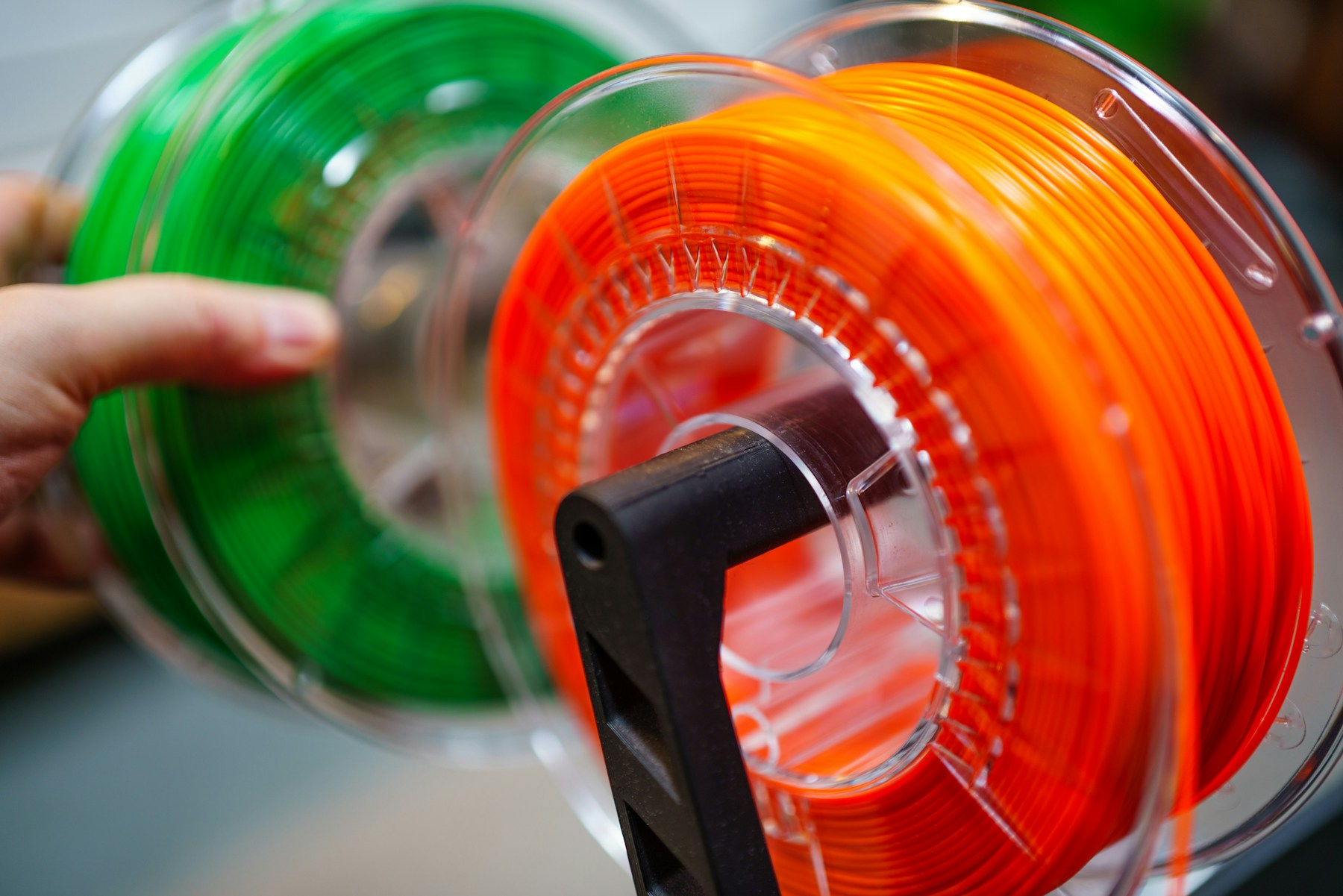
 Materials & pricing
How to Choose Filament for a Custom 3D Print
Compare PLA, PETG, ABS, and specialty materials by strength, heat resistance, finish, reliability, and transparent quote cost.
Open article →Practical guides for better FDM prints, clearer custom-print quotes, and fewer wasted rolls.
Materials & pricingCompare PLA, PETG, ABS, and specialty materials by strength, heat resistance, finish, reliability, and transparent quote cost.
Open article →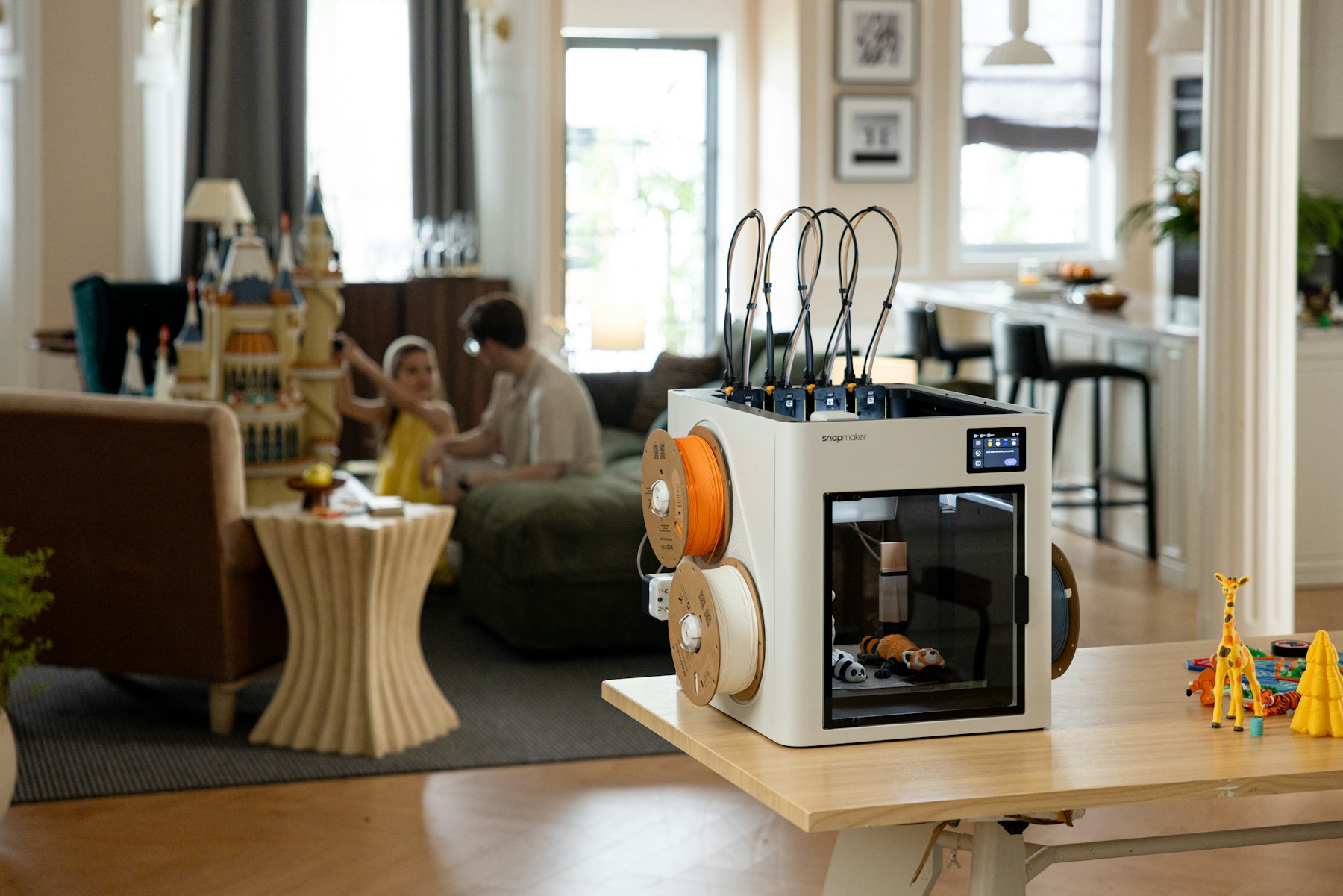 PLA printing guide
Build a repeatable PLA workflow with bed preparation, temperatures, cooling, supports, slicer settings, and quality checks.
Open article →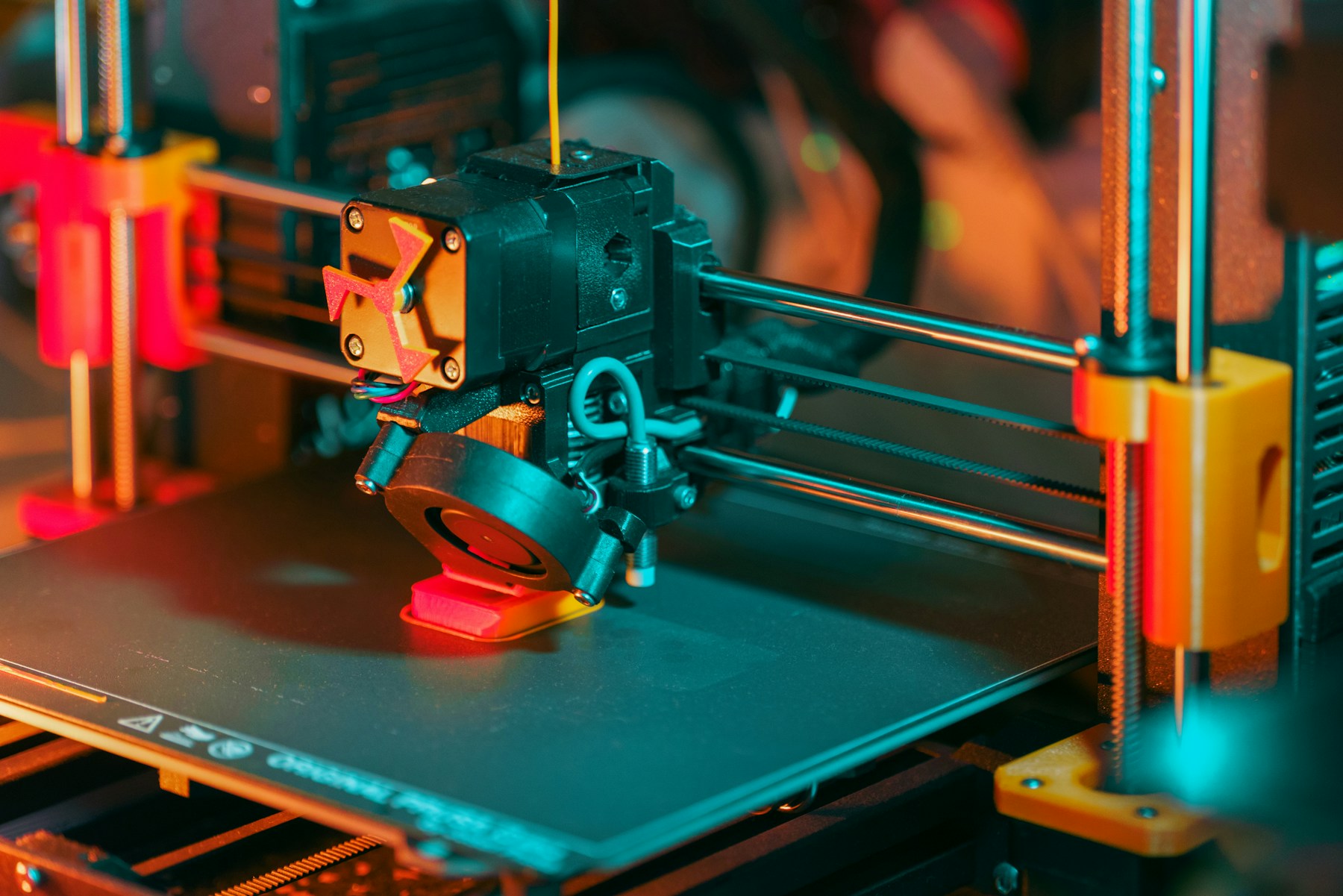 Troubleshooting
Diagnose adhesion, leveling, nozzle height, warping, stringing, and other common FDM problems before they waste a full print.
Open article →A successful custom 3D print starts before the printer heats up. These guides explain how to choose a material, prepare a build surface, tune a first layer, and make a quote that reflects the real work involved. The goal is not to chase one perfect profile; it is to build a repeatable process that works for your printer, your part, and your intended use.
Start with the filament guide when you are deciding between PLA, PETG, ABS, TPU, or another material. Think about strength, heat, flexibility, appearance, moisture, and post-processing instead of choosing by color alone. Continue with the PLA workflow guide for practical checks such as a clean bed, a dry spool, sensible temperatures, controlled cooling, and supports that do not damage the model.
If a print fails in its first few layers, use the troubleshooting guide before changing every slicer setting at once. Adhesion, nozzle height, leveling, warping, elephant's foot, and curling each point to different causes. Small, measured changes save filament and make results easier to reproduce. For a custom print request, include the model, material preference, approximate size, and intended use so the quote can account for print time, material, and finishing.