Diagnose the pattern before changing settings
First-layer problems are among the most expensive preventable failures in FDM printing because a small defect can ruin hours of later work. The fastest troubleshooting approach is systematic: inspect the surface, identify the pattern, change one variable, and verify the result with a small test before restarting a production print.
Surface Contamination
When planning surface contamination, the useful question is not simply whether a printer can produce the part. It is whether the chosen process, material, geometry, and finish match the job the part must perform. Oil, dust, adhesive residue, and fingerprints can make a previously reliable build surface behave unpredictably. For a custom 3D print, this is also the information that turns a vague request into a clear quote: the cleaning method, the surface material, and whether the adhesion changed after handling.
When planning surface contamination, the useful question is not simply whether a printer can produce the part. It is whether the chosen process, material, geometry, and finish match the job the part must perform. Do not treat every detached corner as the same problem. Oil, dust, adhesive residue, and fingerprints can make a previously reliable build surface behave unpredictably. The shape and location of the defect are evidence. For a custom 3D print, this is also the information that turns a vague request into a clear quote: the observable pattern, the most likely cause, and the one test that can distinguish it from a similar failure.
When planning surface contamination, the useful question is not simply whether a printer can produce the part. It is whether the chosen process, material, geometry, and finish match the job the part must perform. For a customer job, the troubleshooting decision should also protect the approved specification. Oil, dust, adhesive residue, and fingerprints can make a previously reliable build surface behave unpredictably. For a custom 3D print, this is also the information that turns a vague request into a clear quote: whether the correction changes the material, estimate, finish, or only the internal production settings.
Bed Leveling
When planning bed leveling, the useful question is not simply whether a printer can produce the part. It is whether the chosen process, material, geometry, and finish match the job the part must perform. Leveling is the mechanical relationship between nozzle and bed. A mesh can compensate for small variation but cannot fix every physical problem. For a custom 3D print, this is also the information that turns a vague request into a clear quote: the leveling method, the measured corners, and the actual first-layer pattern.
When planning bed leveling, the useful question is not simply whether a printer can produce the part. It is whether the chosen process, material, geometry, and finish match the job the part must perform. Do not treat every detached corner as the same problem. Leveling is the mechanical relationship between nozzle and bed. A mesh can compensate for small variation but cannot fix every physical problem. The shape and location of the defect are evidence. For a custom 3D print, this is also the information that turns a vague request into a clear quote: the observable pattern, the most likely cause, and the one test that can distinguish it from a similar failure.
When planning bed leveling, the useful question is not simply whether a printer can produce the part. It is whether the chosen process, material, geometry, and finish match the job the part must perform. For a customer job, the troubleshooting decision should also protect the approved specification. Leveling is the mechanical relationship between nozzle and bed. A mesh can compensate for small variation but cannot fix every physical problem. For a custom 3D print, this is also the information that turns a vague request into a clear quote: whether the correction changes the material, estimate, finish, or only the internal production settings.
Nozzle Height
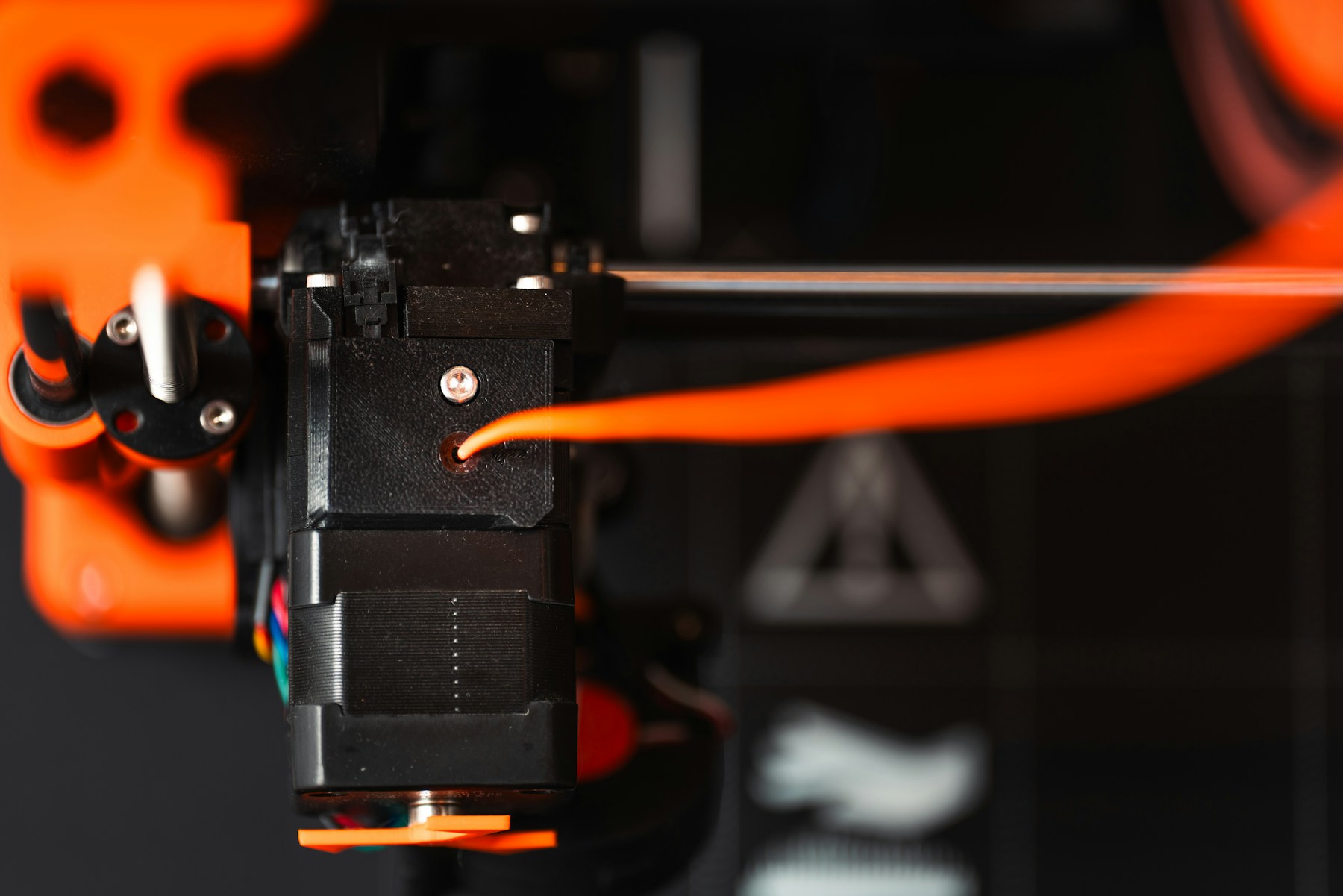
When planning nozzle height, the useful question is not simply whether a printer can produce the part. It is whether the chosen process, material, geometry, and finish match the job the part must perform. A nozzle that is too high leaves separated lines; one that is too low can scrape, over-compress, or restrict flow. For a custom 3D print, this is also the information that turns a vague request into a clear quote: the visible line shape and the smallest adjustment that improves it without damaging the surface.
When planning nozzle height, the useful question is not simply whether a printer can produce the part. It is whether the chosen process, material, geometry, and finish match the job the part must perform. Do not treat every detached corner as the same problem. A nozzle that is too high leaves separated lines; one that is too low can scrape, over-compress, or restrict flow. The shape and location of the defect are evidence. For a custom 3D print, this is also the information that turns a vague request into a clear quote: the observable pattern, the most likely cause, and the one test that can distinguish it from a similar failure.
When planning nozzle height, the useful question is not simply whether a printer can produce the part. It is whether the chosen process, material, geometry, and finish match the job the part must perform. For a customer job, the troubleshooting decision should also protect the approved specification. A nozzle that is too high leaves separated lines; one that is too low can scrape, over-compress, or restrict flow. For a custom 3D print, this is also the information that turns a vague request into a clear quote: whether the correction changes the material, estimate, finish, or only the internal production settings.
First-Layer Speed
When planning first-layer speed, the useful question is not simply whether a printer can produce the part. It is whether the chosen process, material, geometry, and finish match the job the part must perform. A slower first layer gives the extrusion time to bond, but it cannot compensate for a dirty plate or incorrect height. For a custom 3D print, this is also the information that turns a vague request into a clear quote: the material, cooling state, and whether the line is being placed consistently.
When planning first-layer speed, the useful question is not simply whether a printer can produce the part. It is whether the chosen process, material, geometry, and finish match the job the part must perform. Do not treat every detached corner as the same problem. A slower first layer gives the extrusion time to bond, but it cannot compensate for a dirty plate or incorrect height. The shape and location of the defect are evidence. For a custom 3D print, this is also the information that turns a vague request into a clear quote: the observable pattern, the most likely cause, and the one test that can distinguish it from a similar failure.
When planning first-layer speed, the useful question is not simply whether a printer can produce the part. It is whether the chosen process, material, geometry, and finish match the job the part must perform. For a customer job, the troubleshooting decision should also protect the approved specification. A slower first layer gives the extrusion time to bond, but it cannot compensate for a dirty plate or incorrect height. For a custom 3D print, this is also the information that turns a vague request into a clear quote: whether the correction changes the material, estimate, finish, or only the internal production settings.
First-Layer Temperature
When planning first-layer temperature, the useful question is not simply whether a printer can produce the part. It is whether the chosen process, material, geometry, and finish match the job the part must perform. The first layer may use different thermal settings from later layers to improve adhesion without making the whole part too soft. For a custom 3D print, this is also the information that turns a vague request into a clear quote: the filament recommendation, bed type, room conditions, and whether the edge stays flat.
When planning first-layer temperature, the useful question is not simply whether a printer can produce the part. It is whether the chosen process, material, geometry, and finish match the job the part must perform. Do not treat every detached corner as the same problem. The first layer may use different thermal settings from later layers to improve adhesion without making the whole part too soft. The shape and location of the defect are evidence. For a custom 3D print, this is also the information that turns a vague request into a clear quote: the observable pattern, the most likely cause, and the one test that can distinguish it from a similar failure.
When planning first-layer temperature, the useful question is not simply whether a printer can produce the part. It is whether the chosen process, material, geometry, and finish match the job the part must perform. For a customer job, the troubleshooting decision should also protect the approved specification. The first layer may use different thermal settings from later layers to improve adhesion without making the whole part too soft. For a custom 3D print, this is also the information that turns a vague request into a clear quote: whether the correction changes the material, estimate, finish, or only the internal production settings.
Drafts And Room Temperature
When planning drafts and room temperature, the useful question is not simply whether a printer can produce the part. It is whether the chosen process, material, geometry, and finish match the job the part must perform. Air movement can cool one corner faster than another and create a warp even when the slicer settings look reasonable. For a custom 3D print, this is also the information that turns a vague request into a clear quote: the printer location, enclosure or draft shield, and the footprint of the model.
When planning drafts and room temperature, the useful question is not simply whether a printer can produce the part. It is whether the chosen process, material, geometry, and finish match the job the part must perform. Do not treat every detached corner as the same problem. Air movement can cool one corner faster than another and create a warp even when the slicer settings look reasonable. The shape and location of the defect are evidence. For a custom 3D print, this is also the information that turns a vague request into a clear quote: the observable pattern, the most likely cause, and the one test that can distinguish it from a similar failure.
When planning drafts and room temperature, the useful question is not simply whether a printer can produce the part. It is whether the chosen process, material, geometry, and finish match the job the part must perform. For a customer job, the troubleshooting decision should also protect the approved specification. Air movement can cool one corner faster than another and create a warp even when the slicer settings look reasonable. For a custom 3D print, this is also the information that turns a vague request into a clear quote: whether the correction changes the material, estimate, finish, or only the internal production settings.
Brim And Raft Choices
When planning brim and raft choices, the useful question is not simply whether a printer can produce the part. It is whether the chosen process, material, geometry, and finish match the job the part must perform. A brim adds contact area while a raft changes the interface more dramatically and may affect the bottom finish. For a custom 3D print, this is also the information that turns a vague request into a clear quote: the part footprint, removal requirements, and whether the extra material is justified.
When planning brim and raft choices, the useful question is not simply whether a printer can produce the part. It is whether the chosen process, material, geometry, and finish match the job the part must perform. Do not treat every detached corner as the same problem. A brim adds contact area while a raft changes the interface more dramatically and may affect the bottom finish. The shape and location of the defect are evidence. For a custom 3D print, this is also the information that turns a vague request into a clear quote: the observable pattern, the most likely cause, and the one test that can distinguish it from a similar failure.
When planning brim and raft choices, the useful question is not simply whether a printer can produce the part. It is whether the chosen process, material, geometry, and finish match the job the part must perform. For a customer job, the troubleshooting decision should also protect the approved specification. A brim adds contact area while a raft changes the interface more dramatically and may affect the bottom finish. For a custom 3D print, this is also the information that turns a vague request into a clear quote: whether the correction changes the material, estimate, finish, or only the internal production settings.
Large Flat Parts
When planning large flat parts, the useful question is not simply whether a printer can produce the part. It is whether the chosen process, material, geometry, and finish match the job the part must perform. Large flat footprints amplify small differences in bed temperature, surface cleanliness, and cooling. For a custom 3D print, this is also the information that turns a vague request into a clear quote: the corner geometry, orientation, brim width, and environmental stability.
When planning large flat parts, the useful question is not simply whether a printer can produce the part. It is whether the chosen process, material, geometry, and finish match the job the part must perform. Do not treat every detached corner as the same problem. Large flat footprints amplify small differences in bed temperature, surface cleanliness, and cooling. The shape and location of the defect are evidence. For a custom 3D print, this is also the information that turns a vague request into a clear quote: the observable pattern, the most likely cause, and the one test that can distinguish it from a similar failure.
When planning large flat parts, the useful question is not simply whether a printer can produce the part. It is whether the chosen process, material, geometry, and finish match the job the part must perform. For a customer job, the troubleshooting decision should also protect the approved specification. Large flat footprints amplify small differences in bed temperature, surface cleanliness, and cooling. For a custom 3D print, this is also the information that turns a vague request into a clear quote: whether the correction changes the material, estimate, finish, or only the internal production settings.
Sharp Corners
When planning sharp corners, the useful question is not simply whether a printer can produce the part. It is whether the chosen process, material, geometry, and finish match the job the part must perform. Sharp external corners concentrate shrinkage and are common starting points for warping. For a custom 3D print, this is also the information that turns a vague request into a clear quote: corner radius, orientation, adhesion strategy, and whether the design can accept a small chamfer.
When planning sharp corners, the useful question is not simply whether a printer can produce the part. It is whether the chosen process, material, geometry, and finish match the job the part must perform. Do not treat every detached corner as the same problem. Sharp external corners concentrate shrinkage and are common starting points for warping. The shape and location of the defect are evidence. For a custom 3D print, this is also the information that turns a vague request into a clear quote: the observable pattern, the most likely cause, and the one test that can distinguish it from a similar failure.
When planning sharp corners, the useful question is not simply whether a printer can produce the part. It is whether the chosen process, material, geometry, and finish match the job the part must perform. For a customer job, the troubleshooting decision should also protect the approved specification. Sharp external corners concentrate shrinkage and are common starting points for warping. For a custom 3D print, this is also the information that turns a vague request into a clear quote: whether the correction changes the material, estimate, finish, or only the internal production settings.
Thin Contact Areas
When planning thin contact areas, the useful question is not simply whether a printer can produce the part. It is whether the chosen process, material, geometry, and finish match the job the part must perform. A narrow contact patch can be difficult to keep attached even when a larger neighboring part prints well. For a custom 3D print, this is also the information that turns a vague request into a clear quote: the contact area, line width, first-layer expansion, and support strategy.
When planning thin contact areas, the useful question is not simply whether a printer can produce the part. It is whether the chosen process, material, geometry, and finish match the job the part must perform. Do not treat every detached corner as the same problem. A narrow contact patch can be difficult to keep attached even when a larger neighboring part prints well. The shape and location of the defect are evidence. For a custom 3D print, this is also the information that turns a vague request into a clear quote: the observable pattern, the most likely cause, and the one test that can distinguish it from a similar failure.
When planning thin contact areas, the useful question is not simply whether a printer can produce the part. It is whether the chosen process, material, geometry, and finish match the job the part must perform. For a customer job, the troubleshooting decision should also protect the approved specification. A narrow contact patch can be difficult to keep attached even when a larger neighboring part prints well. For a custom 3D print, this is also the information that turns a vague request into a clear quote: whether the correction changes the material, estimate, finish, or only the internal production settings.
Under-Extrusion
When planning under-extrusion, the useful question is not simply whether a printer can produce the part. It is whether the chosen process, material, geometry, and finish match the job the part must perform. Insufficient material can look like poor adhesion because the first-layer lines never join into a continuous surface. For a custom 3D print, this is also the information that turns a vague request into a clear quote: the extrusion path, nozzle condition, flow calibration, and whether the spool feeds freely.
When planning under-extrusion, the useful question is not simply whether a printer can produce the part. It is whether the chosen process, material, geometry, and finish match the job the part must perform. Do not treat every detached corner as the same problem. Insufficient material can look like poor adhesion because the first-layer lines never join into a continuous surface. The shape and location of the defect are evidence. For a custom 3D print, this is also the information that turns a vague request into a clear quote: the observable pattern, the most likely cause, and the one test that can distinguish it from a similar failure.
When planning under-extrusion, the useful question is not simply whether a printer can produce the part. It is whether the chosen process, material, geometry, and finish match the job the part must perform. For a customer job, the troubleshooting decision should also protect the approved specification. Insufficient material can look like poor adhesion because the first-layer lines never join into a continuous surface. For a custom 3D print, this is also the information that turns a vague request into a clear quote: whether the correction changes the material, estimate, finish, or only the internal production settings.
Over-Extrusion
When planning over-extrusion, the useful question is not simply whether a printer can produce the part. It is whether the chosen process, material, geometry, and finish match the job the part must perform. Too much material can create ridges, rough corners, and nozzle contact that damages the surface. For a custom 3D print, this is also the information that turns a vague request into a clear quote: the flow setting, first-layer line width, and whether the nozzle is being dragged through excess plastic.
When planning over-extrusion, the useful question is not simply whether a printer can produce the part. It is whether the chosen process, material, geometry, and finish match the job the part must perform. Do not treat every detached corner as the same problem. Too much material can create ridges, rough corners, and nozzle contact that damages the surface. The shape and location of the defect are evidence. For a custom 3D print, this is also the information that turns a vague request into a clear quote: the observable pattern, the most likely cause, and the one test that can distinguish it from a similar failure.
When planning over-extrusion, the useful question is not simply whether a printer can produce the part. It is whether the chosen process, material, geometry, and finish match the job the part must perform. For a customer job, the troubleshooting decision should also protect the approved specification. Too much material can create ridges, rough corners, and nozzle contact that damages the surface. For a custom 3D print, this is also the information that turns a vague request into a clear quote: whether the correction changes the material, estimate, finish, or only the internal production settings.
Bed Mesh Errors
When planning bed mesh errors, the useful question is not simply whether a printer can produce the part. It is whether the chosen process, material, geometry, and finish match the job the part must perform. An incorrect or stale mesh can make one area too close while another is too far away. For a custom 3D print, this is also the information that turns a vague request into a clear quote: when the mesh was created, whether the bed temperature matched the print, and the observed pattern.
When planning bed mesh errors, the useful question is not simply whether a printer can produce the part. It is whether the chosen process, material, geometry, and finish match the job the part must perform. Do not treat every detached corner as the same problem. An incorrect or stale mesh can make one area too close while another is too far away. The shape and location of the defect are evidence. For a custom 3D print, this is also the information that turns a vague request into a clear quote: the observable pattern, the most likely cause, and the one test that can distinguish it from a similar failure.
When planning bed mesh errors, the useful question is not simply whether a printer can produce the part. It is whether the chosen process, material, geometry, and finish match the job the part must perform. For a customer job, the troubleshooting decision should also protect the approved specification. An incorrect or stale mesh can make one area too close while another is too far away. For a custom 3D print, this is also the information that turns a vague request into a clear quote: whether the correction changes the material, estimate, finish, or only the internal production settings.
Adhesive Products
When planning adhesive products, the useful question is not simply whether a printer can produce the part. It is whether the chosen process, material, geometry, and finish match the job the part must perform. Adhesives can help but may create buildup, change the surface texture, or make future cleaning harder. For a custom 3D print, this is also the information that turns a vague request into a clear quote: the product, the amount used, and whether a clean mechanical solution would be more repeatable.
When planning adhesive products, the useful question is not simply whether a printer can produce the part. It is whether the chosen process, material, geometry, and finish match the job the part must perform. Do not treat every detached corner as the same problem. Adhesives can help but may create buildup, change the surface texture, or make future cleaning harder. The shape and location of the defect are evidence. For a custom 3D print, this is also the information that turns a vague request into a clear quote: the observable pattern, the most likely cause, and the one test that can distinguish it from a similar failure.
When planning adhesive products, the useful question is not simply whether a printer can produce the part. It is whether the chosen process, material, geometry, and finish match the job the part must perform. For a customer job, the troubleshooting decision should also protect the approved specification. Adhesives can help but may create buildup, change the surface texture, or make future cleaning harder. For a custom 3D print, this is also the information that turns a vague request into a clear quote: whether the correction changes the material, estimate, finish, or only the internal production settings.
Warping During Later Layers
When planning warping during later layers, the useful question is not simply whether a printer can produce the part. It is whether the chosen process, material, geometry, and finish match the job the part must perform. A first layer can look perfect while corners lift later as the upper layers cool and contract. For a custom 3D print, this is also the information that turns a vague request into a clear quote: the part height, cooling balance, layer time, and whether the base needs more contact area.
When planning warping during later layers, the useful question is not simply whether a printer can produce the part. It is whether the chosen process, material, geometry, and finish match the job the part must perform. Do not treat every detached corner as the same problem. A first layer can look perfect while corners lift later as the upper layers cool and contract. The shape and location of the defect are evidence. For a custom 3D print, this is also the information that turns a vague request into a clear quote: the observable pattern, the most likely cause, and the one test that can distinguish it from a similar failure.
When planning warping during later layers, the useful question is not simply whether a printer can produce the part. It is whether the chosen process, material, geometry, and finish match the job the part must perform. For a customer job, the troubleshooting decision should also protect the approved specification. A first layer can look perfect while corners lift later as the upper layers cool and contract. For a custom 3D print, this is also the information that turns a vague request into a clear quote: whether the correction changes the material, estimate, finish, or only the internal production settings.
Support Interfaces
When planning support interfaces, the useful question is not simply whether a printer can produce the part. It is whether the chosen process, material, geometry, and finish match the job the part must perform. A support touching the build plate is still part of the first-layer and adhesion system, especially on tall or narrow structures. For a custom 3D print, this is also the information that turns a vague request into a clear quote: the support footprint, removal direction, and whether a small brim improves stability.
When planning support interfaces, the useful question is not simply whether a printer can produce the part. It is whether the chosen process, material, geometry, and finish match the job the part must perform. Do not treat every detached corner as the same problem. A support touching the build plate is still part of the first-layer and adhesion system, especially on tall or narrow structures. The shape and location of the defect are evidence. For a custom 3D print, this is also the information that turns a vague request into a clear quote: the observable pattern, the most likely cause, and the one test that can distinguish it from a similar failure.
When planning support interfaces, the useful question is not simply whether a printer can produce the part. It is whether the chosen process, material, geometry, and finish match the job the part must perform. For a customer job, the troubleshooting decision should also protect the approved specification. A support touching the build plate is still part of the first-layer and adhesion system, especially on tall or narrow structures. For a custom 3D print, this is also the information that turns a vague request into a clear quote: whether the correction changes the material, estimate, finish, or only the internal production settings.
Mechanical Fasteners
When planning mechanical fasteners, the useful question is not simply whether a printer can produce the part. It is whether the chosen process, material, geometry, and finish match the job the part must perform. A part intended for screws or inserts needs a flat, dimensionally consistent base before the rest of the geometry can be trusted. For a custom 3D print, this is also the information that turns a vague request into a clear quote: the hole location, base flatness, and the fit tolerance after printing.
When planning mechanical fasteners, the useful question is not simply whether a printer can produce the part. It is whether the chosen process, material, geometry, and finish match the job the part must perform. Do not treat every detached corner as the same problem. A part intended for screws or inserts needs a flat, dimensionally consistent base before the rest of the geometry can be trusted. The shape and location of the defect are evidence. For a custom 3D print, this is also the information that turns a vague request into a clear quote: the observable pattern, the most likely cause, and the one test that can distinguish it from a similar failure.
When planning mechanical fasteners, the useful question is not simply whether a printer can produce the part. It is whether the chosen process, material, geometry, and finish match the job the part must perform. For a customer job, the troubleshooting decision should also protect the approved specification. A part intended for screws or inserts needs a flat, dimensionally consistent base before the rest of the geometry can be trusted. For a custom 3D print, this is also the information that turns a vague request into a clear quote: whether the correction changes the material, estimate, finish, or only the internal production settings.
Diagnosing By Pattern
When planning diagnosing by pattern, the useful question is not simply whether a printer can produce the part. It is whether the chosen process, material, geometry, and finish match the job the part must perform. The location and shape of the defect often identifies the cause faster than random setting changes. For a custom 3D print, this is also the information that turns a vague request into a clear quote: whether the defect repeats in the same bed location, follows the model corner, or appears everywhere.
When planning diagnosing by pattern, the useful question is not simply whether a printer can produce the part. It is whether the chosen process, material, geometry, and finish match the job the part must perform. Do not treat every detached corner as the same problem. The location and shape of the defect often identifies the cause faster than random setting changes. The shape and location of the defect are evidence. For a custom 3D print, this is also the information that turns a vague request into a clear quote: the observable pattern, the most likely cause, and the one test that can distinguish it from a similar failure.
When planning diagnosing by pattern, the useful question is not simply whether a printer can produce the part. It is whether the chosen process, material, geometry, and finish match the job the part must perform. For a customer job, the troubleshooting decision should also protect the approved specification. The location and shape of the defect often identifies the cause faster than random setting changes. For a custom 3D print, this is also the information that turns a vague request into a clear quote: whether the correction changes the material, estimate, finish, or only the internal production settings.
When To Stop A Print
When planning when to stop a print, the useful question is not simply whether a printer can produce the part. It is whether the chosen process, material, geometry, and finish match the job the part must perform. Stopping early is usually cheaper than allowing a detached or visibly damaged part to consume more time and filament. For a custom 3D print, this is also the information that turns a vague request into a clear quote: the point at which the result is no longer recoverable and the corrective action for the restart.
When planning when to stop a print, the useful question is not simply whether a printer can produce the part. It is whether the chosen process, material, geometry, and finish match the job the part must perform. Do not treat every detached corner as the same problem. Stopping early is usually cheaper than allowing a detached or visibly damaged part to consume more time and filament. The shape and location of the defect are evidence. For a custom 3D print, this is also the information that turns a vague request into a clear quote: the observable pattern, the most likely cause, and the one test that can distinguish it from a similar failure.
When planning when to stop a print, the useful question is not simply whether a printer can produce the part. It is whether the chosen process, material, geometry, and finish match the job the part must perform. For a customer job, the troubleshooting decision should also protect the approved specification. Stopping early is usually cheaper than allowing a detached or visibly damaged part to consume more time and filament. For a custom 3D print, this is also the information that turns a vague request into a clear quote: whether the correction changes the material, estimate, finish, or only the internal production settings.
Measuring The First Layer
When planning measuring the first layer, the useful question is not simply whether a printer can produce the part. It is whether the chosen process, material, geometry, and finish match the job the part must perform. A simple visual inspection is useful, but critical jobs benefit from measuring the base, edge, and mating features after printing. For a custom 3D print, this is also the information that turns a vague request into a clear quote: which dimensions control fit and what tolerance is acceptable.
When planning measuring the first layer, the useful question is not simply whether a printer can produce the part. It is whether the chosen process, material, geometry, and finish match the job the part must perform. Do not treat every detached corner as the same problem. A simple visual inspection is useful, but critical jobs benefit from measuring the base, edge, and mating features after printing. The shape and location of the defect are evidence. For a custom 3D print, this is also the information that turns a vague request into a clear quote: the observable pattern, the most likely cause, and the one test that can distinguish it from a similar failure.
When planning measuring the first layer, the useful question is not simply whether a printer can produce the part. It is whether the chosen process, material, geometry, and finish match the job the part must perform. For a customer job, the troubleshooting decision should also protect the approved specification. A simple visual inspection is useful, but critical jobs benefit from measuring the base, edge, and mating features after printing. For a custom 3D print, this is also the information that turns a vague request into a clear quote: whether the correction changes the material, estimate, finish, or only the internal production settings.
Design Changes That Improve Adhesion
When planning design changes that improve adhesion, the useful question is not simply whether a printer can produce the part. It is whether the chosen process, material, geometry, and finish match the job the part must perform. Small chamfers, rounded corners, added feet, and a wider base can prevent a slicer problem from becoming a recurring production problem. For a custom 3D print, this is also the information that turns a vague request into a clear quote: the design change, its effect on the finished part, and customer approval before editing the model.
When planning design changes that improve adhesion, the useful question is not simply whether a printer can produce the part. It is whether the chosen process, material, geometry, and finish match the job the part must perform. Do not treat every detached corner as the same problem. Small chamfers, rounded corners, added feet, and a wider base can prevent a slicer problem from becoming a recurring production problem. The shape and location of the defect are evidence. For a custom 3D print, this is also the information that turns a vague request into a clear quote: the observable pattern, the most likely cause, and the one test that can distinguish it from a similar failure.
When planning design changes that improve adhesion, the useful question is not simply whether a printer can produce the part. It is whether the chosen process, material, geometry, and finish match the job the part must perform. For a customer job, the troubleshooting decision should also protect the approved specification. Small chamfers, rounded corners, added feet, and a wider base can prevent a slicer problem from becoming a recurring production problem. For a custom 3D print, this is also the information that turns a vague request into a clear quote: whether the correction changes the material, estimate, finish, or only the internal production settings.
First-Layer Notes For Repeat Jobs
When planning first-layer notes for repeat jobs, the useful question is not simply whether a printer can produce the part. It is whether the chosen process, material, geometry, and finish match the job the part must perform. A repeat order should preserve the successful bed preparation, orientation, profile, and inspection notes. For a custom 3D print, this is also the information that turns a vague request into a clear quote: the exact surface, temperature, first-layer settings, and failure symptoms to watch for.
When planning first-layer notes for repeat jobs, the useful question is not simply whether a printer can produce the part. It is whether the chosen process, material, geometry, and finish match the job the part must perform. Do not treat every detached corner as the same problem. A repeat order should preserve the successful bed preparation, orientation, profile, and inspection notes. The shape and location of the defect are evidence. For a custom 3D print, this is also the information that turns a vague request into a clear quote: the observable pattern, the most likely cause, and the one test that can distinguish it from a similar failure.
When planning first-layer notes for repeat jobs, the useful question is not simply whether a printer can produce the part. It is whether the chosen process, material, geometry, and finish match the job the part must perform. For a customer job, the troubleshooting decision should also protect the approved specification. A repeat order should preserve the successful bed preparation, orientation, profile, and inspection notes. For a custom 3D print, this is also the information that turns a vague request into a clear quote: whether the correction changes the material, estimate, finish, or only the internal production settings.
Replacement Decisions
When planning replacement decisions, the useful question is not simply whether a printer can produce the part. It is whether the chosen process, material, geometry, and finish match the job the part must perform. A remake is appropriate when the print fails to meet the approved specification because of production quality, not merely because the customer changed the design. For a custom 3D print, this is also the information that turns a vague request into a clear quote: the defect, the evidence, and whether a correction or refund is the fair resolution.
When planning replacement decisions, the useful question is not simply whether a printer can produce the part. It is whether the chosen process, material, geometry, and finish match the job the part must perform. Do not treat every detached corner as the same problem. A remake is appropriate when the print fails to meet the approved specification because of production quality, not merely because the customer changed the design. The shape and location of the defect are evidence. For a custom 3D print, this is also the information that turns a vague request into a clear quote: the observable pattern, the most likely cause, and the one test that can distinguish it from a similar failure.
When planning replacement decisions, the useful question is not simply whether a printer can produce the part. It is whether the chosen process, material, geometry, and finish match the job the part must perform. For a customer job, the troubleshooting decision should also protect the approved specification. A remake is appropriate when the print fails to meet the approved specification because of production quality, not merely because the customer changed the design. For a custom 3D print, this is also the information that turns a vague request into a clear quote: whether the correction changes the material, estimate, finish, or only the internal production settings.
Communicating A Troubleshooting Result
When planning communicating a troubleshooting result, the useful question is not simply whether a printer can produce the part. It is whether the chosen process, material, geometry, and finish match the job the part must perform. A clear explanation names the symptom, likely cause, correction, and what was verified after the restart. For a custom 3D print, this is also the information that turns a vague request into a clear quote: the evidence a customer needs to understand that the replacement is based on a controlled fix.
When planning communicating a troubleshooting result, the useful question is not simply whether a printer can produce the part. It is whether the chosen process, material, geometry, and finish match the job the part must perform. Do not treat every detached corner as the same problem. A clear explanation names the symptom, likely cause, correction, and what was verified after the restart. The shape and location of the defect are evidence. For a custom 3D print, this is also the information that turns a vague request into a clear quote: the observable pattern, the most likely cause, and the one test that can distinguish it from a similar failure.
When planning communicating a troubleshooting result, the useful question is not simply whether a printer can produce the part. It is whether the chosen process, material, geometry, and finish match the job the part must perform. For a customer job, the troubleshooting decision should also protect the approved specification. A clear explanation names the symptom, likely cause, correction, and what was verified after the restart. For a custom 3D print, this is also the information that turns a vague request into a clear quote: whether the correction changes the material, estimate, finish, or only the internal production settings.
Final First-Layer Checklist
When planning final first-layer checklist, the useful question is not simply whether a printer can produce the part. It is whether the chosen process, material, geometry, and finish match the job the part must perform. Before walking away from a job, verify adhesion, line continuity, edge shape, corner contact, and the absence of scraping. For a custom 3D print, this is also the information that turns a vague request into a clear quote: a short checklist that catches most expensive failures while they are still inexpensive to correct.
When planning final first-layer checklist, the useful question is not simply whether a printer can produce the part. It is whether the chosen process, material, geometry, and finish match the job the part must perform. Do not treat every detached corner as the same problem. Before walking away from a job, verify adhesion, line continuity, edge shape, corner contact, and the absence of scraping. The shape and location of the defect are evidence. For a custom 3D print, this is also the information that turns a vague request into a clear quote: the observable pattern, the most likely cause, and the one test that can distinguish it from a similar failure.
When planning final first-layer checklist, the useful question is not simply whether a printer can produce the part. It is whether the chosen process, material, geometry, and finish match the job the part must perform. For a customer job, the troubleshooting decision should also protect the approved specification. Before walking away from a job, verify adhesion, line continuity, edge shape, corner contact, and the absence of scraping. For a custom 3D print, this is also the information that turns a vague request into a clear quote: whether the correction changes the material, estimate, finish, or only the internal production settings.
Frequently asked questions
Why does one corner lift while the others stay flat?
That pattern can point to drafts, uneven heat, a local surface issue, or a corner geometry that concentrates shrinkage. Compare the corner to the bed location and the model orientation.
How clean should the build plate be?
It should be free of oils and loose residue, using the cleaning method appropriate for that surface. Avoid damaging coatings with an unsuitable solvent or abrasive.
Should I increase bed temperature first?
Check surface cleanliness, leveling, nozzle height, and room drafts first. Temperature is useful, but it cannot correct a mechanical gap or contaminated plate.
What does a separated first-layer line mean?
The nozzle may be too high, the surface may be uneven, or extrusion may be insufficient. Look at whether the issue follows one bed area or appears across the entire model.
What does a scraped first layer mean?
The nozzle may be too low, flow may be excessive, or the bed mesh may be wrong. Pause before damage occurs and correct the smallest likely cause.
Is a brim a hidden fee?
It should not become an unexplained charge. If the brim changes estimated material or time enough to affect the quote, show that effect in the visible estimate before production.
Can a perfect first layer still lead to warping?
Yes. Upper layers can contract as they cool, especially on large or tall parts. Reduce drafts, review cooling, and consider geometry or contact-area changes.
When should the model be redesigned?
Redesign is appropriate when the geometry repeatedly creates a predictable failure that settings cannot solve reliably. Explain the proposed change and get approval before editing the customer's file.
How do I document a failed print?
Record the layer, location, photo, surface condition, settings changed, and the result of the corrective test. This prevents repeated guessing and supports a fair replacement decision.
When is a refund better than a replacement?
A replacement is useful when the corrected process can produce the approved result. A refund may be fair when the service cannot meet the specification, the customer no longer wants the job, or repeated corrections fail.